


AI expert predicts travel agents will be replaced
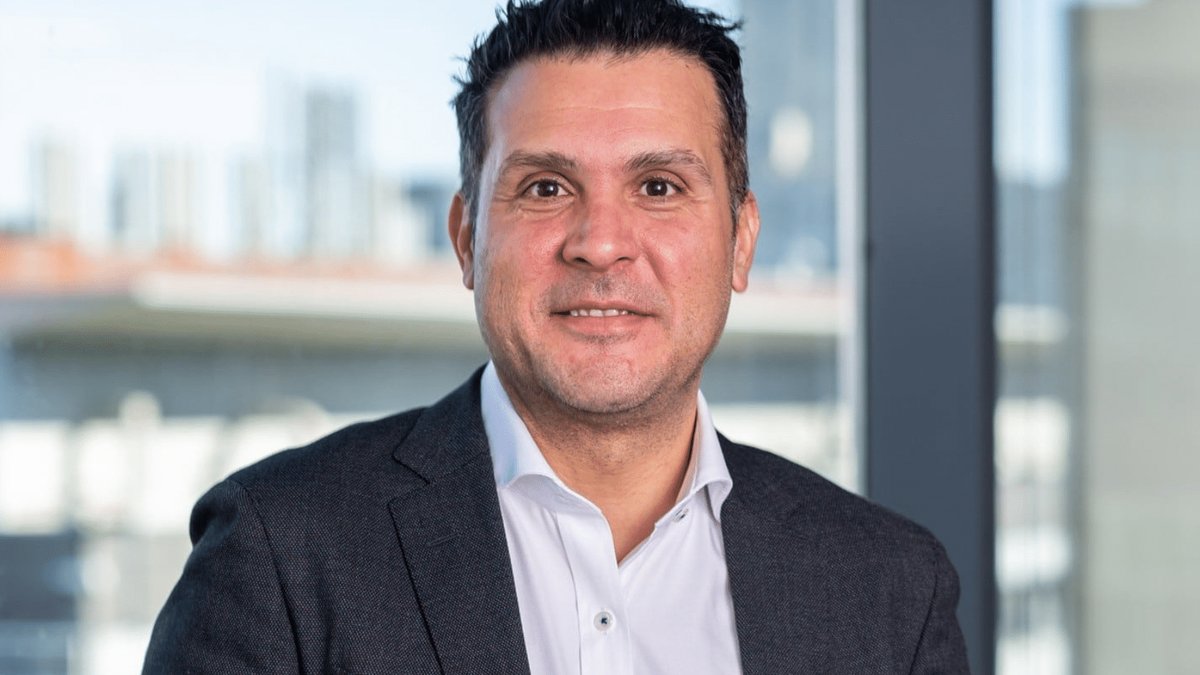
Travel brands have spent decades fighting for a place on page one of Google. Now, the battle is shifting to artificial intelligence. Lucio Ribeiro, Chief AI & Innovation Officer at Omnicom TBWA Australia, says “discovery is becoming the new distribution” as AI moves from answering travel questions to recommending where people stay, what they do and, eventually, what they book.
Travel brands have spent decades fighting for a place on page one of Google. Now, the battle is shifting to artificial intelligence. Lucio Ribeiro, Chief AI & Innovation Officer at Omnicom TBWA Australia, says “discovery is becoming the new distribution” as AI moves from answering travel questions to recommending where people stay, what they do and, eventually, what they book.
Ribeiro argues the biggest disruption happens before the actual booking takes place. For twenty years, companies competed to appear on search engine results pages. Large Language Models (LLMs) function differently. They do not present a list of links. Instead, they provide a curated response based on the user’s specific prompt. This changes the competition from ranking a website to being the recommended option.
Related: Deeley brothers expand Pacific hotel holdings
The system relies on NORM (Needs, Occasions, Reasons and Motivations). This means brands must be understood by the algorithm to be chosen. The battleground has moved from visibility to trust.
AI adoption varies across industries based on the cost of being wrong. In some sectors, a mediocre output is easily deleted. In travel, the consequence of an incorrect recommendation regarding a flight, hotel or visa can be significant. This tension between low-risk inspiration and high-stakes transactions suggests AI will advance quickly in the dreaming and discovery phases while human oversight remains critical for complex transactions.
While AI tools are becoming more capable, the industry faces a specific risk regarding information accuracy. The danger isn’t always obviously wrong data. A ridiculous itinerary is easily rejected. A beautifully written itinerary with an outdated visa rule or a fictional hotel detail can be trusted by the user. Travel companies must treat their data as infrastructure. It needs to be accurate, current and structured so AI systems can read it correctly. In this new era, reputation is defined not only by what customers say but by what machines believe to be true.
Agents, not just tools
The biggest misconception among executives is that AI is simply a faster way to do current tasks. It is much more than automated copy or cheaper images. AI sits between the customer and the brand. It can decide which destinations to consider and which hotels make the shortlist. If a brand uses AI only to produce marketing while customers use AI to choose, the company is solving the wrong problem.
Related: Missing Australian tourists in Nepal rise to 39
Five years from now, the traditional travel agent role may look different. Ribeiro suggests AI will automate tasks and workflows. Anything repetitive or information-heavy will be difficult for humans to compete with. Building an itinerary or comparing hundreds of hotels will become nearly free. However, the role may shift from finding information to interpreting it.
There is a paradox here. As AI becomes better at producing an average holiday, the value of exceptional human judgment may rise. Trust and accountability remain difficult for machines to provide. If a trip goes wrong or is deeply personal, a human advocate is still necessary. This suggests the human role will evolve rather than disappear entirely.
Looking ahead, the consumer interaction is changing fundamentally. A user might now ask an AI agent to plan a trip, filter options based on past photos and book the entire itinerary. This transforms AI from a source of advice into an economic agent acting on behalf of the traveler. Travel brands will need to persuade these agents, not just the people.

