


Cruise CEO warns Australia may fall behind
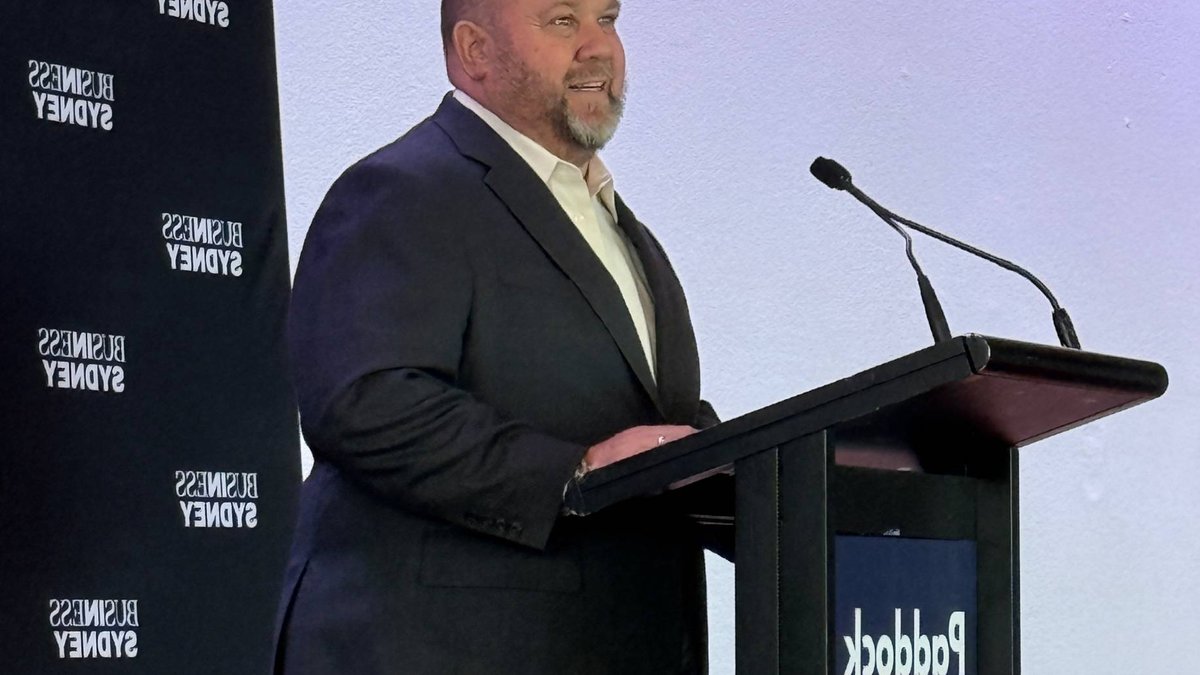
The global cruise industry boss has warned Australia risks being left behind as international shipbuilding capacity runs out, citing high local costs and regulatory red tape as the primary threats to the market.
Charles “Bud” Darr, president and CEO of the Global Cruise Lines International Association, said the country is losing its share of the global market despite being the fourth largest cruise market in the world. The local fleet has dropped to 11 homeported ships for the 2026/27 season, down from 18 during the previous season, while global passenger numbers are climbing from 34.3 million in 2024 to 37.3 million in 2025, with a forecast to hit 42 million by 2029.
The industry is currently facing a global supply crunch that Darr described as the tightest in history. With an order book of 86 ships worth roughly US$96 billion stretching beyond 2036, cruise lines are fighting for limited space in shipyards. “You could have the biggest steamer trunk in the world full of cash, and you can’t get a slot in a shipyard to build a ship before about 2037 right now,” Darr said.
Related: AI expert predicts travel agents will be replaced
He pointed out that Australia’s cruising population is significant relative to its total population. Australians cruise at a rate of 1.4 million annually out of a population of 27 million, a far higher proportion than the roughly 37 million passengers drawn from a global international tourism market of 1.6 billion.
Darr addressed the crowd at the unofficial opening of the Australian wave season, hosted by Business Sydney’s Paul Nicolaou at the Museum of Contemporary Art in Circular Quay. He argued that while geographic constraints exist, controllable factors like cost and regulation are stifling growth.
He noted that the local economic output generated by the industry in 2024–25 was $7.32 billion, but warned that a combination of “off the charts” costs and a harsh regulatory environment is hindering progress. Darr questioned whether Australia is securing its share of the industry’s growth, stating that maintaining the status quo effectively means falling behind.
The executive also pushed back on proposals to apply domestic labour standards to international cruise labour. He argued that imposing domestic rules on a ship that could be anywhere in the world within weeks creates regulatory instability. “If we fail to implement it, by all means, call us out and we’ll fix it,” he said, but he emphasized that the industry is already governed by international convention.
Related: Vintage-Inspired Sapphire Engagement Rings in Glasgow
Stability is the key factor for the industry, as it operates on long lead times. It takes roughly three years to plan an itinerary, with luxury lines booking up to 36 months ahead. Darr said that from the cruise industry’s perspective, it might as well be September of 2029.
He contrasted the situation in Australia with positive examples abroad. Darr cited Dubrovnik mayor Mato Franković as a model for productive government-industry partnership, noting that local leaders in Nice and Cannes had used cruise tourism “to score cheap political points” instead of supporting growth.
Government leaders face a difficult calculation when responding to industry demands. The massive global capital commitment—worth AU$147 billion—means shipbuilders cannot simply increase production. This reality forces governments to either adapt their regulations to fit the industry’s needs or risk losing lucrative economic output and jobs to more flexible destinations.

AI expert predicts travel agents will be replaced


